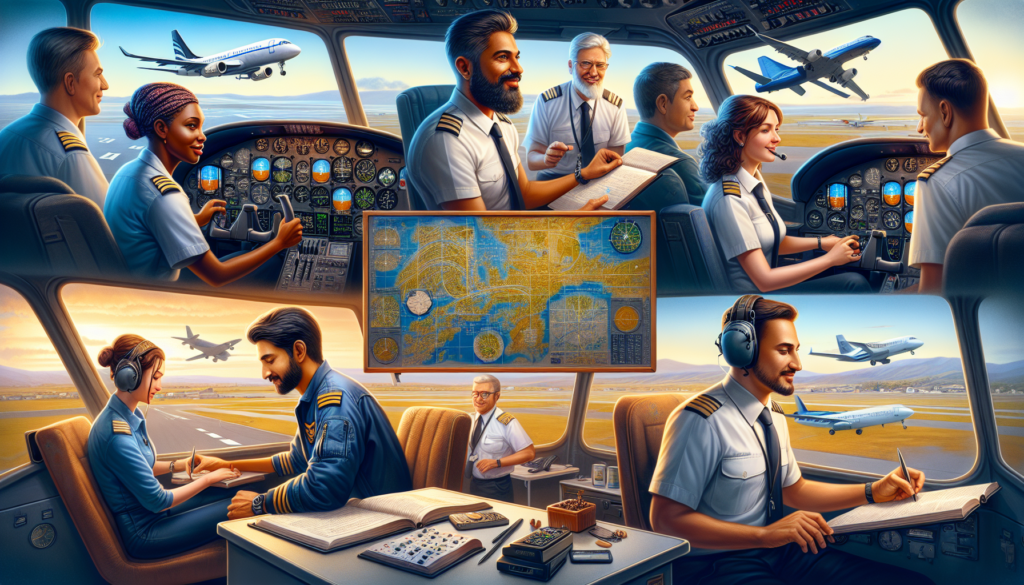
Introduction
Aviation education and pilot training are essential components for anyone looking to pursue a career in the aviation industry. Whether you're interested in becoming a sport pilot, private pilot, or commercial pilot, there are various training programs available to help you achieve your goals. This guide will provide you with an overview of the different types of pilot training and how to navigate the aviation education landscape.
Flight Training
Sport Pilot Training
Sport pilot training is the entry-level certification for pilots who want to fly light-sport aircraft. This training program focuses on the basics of flight, including aircraft control, navigation, and safety procedures. Sport pilot training typically requires a minimum of 20 hours of flight time, including 15 hours of dual instruction and 5 hours of solo flight.
Private Pilot Training
Private pilot training is the next step for those looking to become a recreational or private pilot. This training program builds upon the skills learned in sport pilot training and covers more advanced topics such as cross-country navigation, night flying, and instrument flying. Private pilot training requires a minimum of 40 hours of flight time, including 20 hours of dual instruction and 10 hours of solo flight.
Commercial Pilot Training
Commercial pilot training is designed for pilots who want to pursue a career as a professional pilot. This training program focuses on advanced flight maneuvers, aerodynamics, and aircraft systems. Commercial pilot training requires a minimum of 250 hours of flight time, including 100 hours of pilot-in-command time and 50 hours of cross-country flight.
Instrument Training
Instrument Training
Instrument training is essential for pilots who want to fly in adverse weather conditions or navigate through low visibility. This training program teaches pilots how to use instruments and technology to fly solely by reference to their instruments. Instrument training requires a minimum of 40 hours of instrument flight time, including 15 hours of instrument instruction and 3 hours of simulated instrument flight.
Advanced and Instrument Ground Instruction
Ground instruction is an important component of pilot training, as it covers topics such as aerodynamics, weather theory, and navigation. Advanced and instrument ground instruction provides pilots with the knowledge and skills needed to pass the written exam and oral exam required for pilot certification. Ground instruction is typically provided through classroom lectures, online courses, and one-on-one tutoring sessions.