Introduction
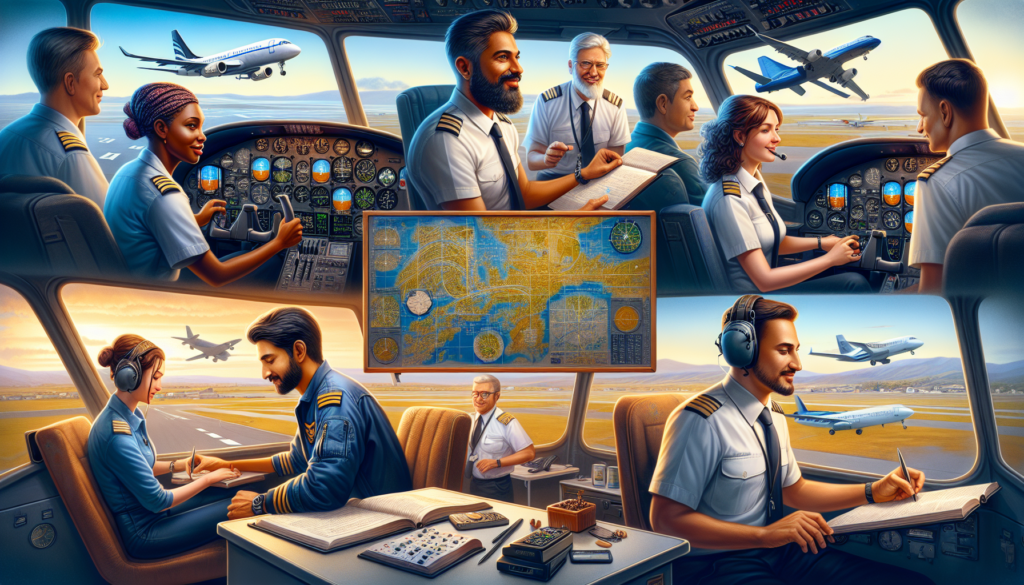
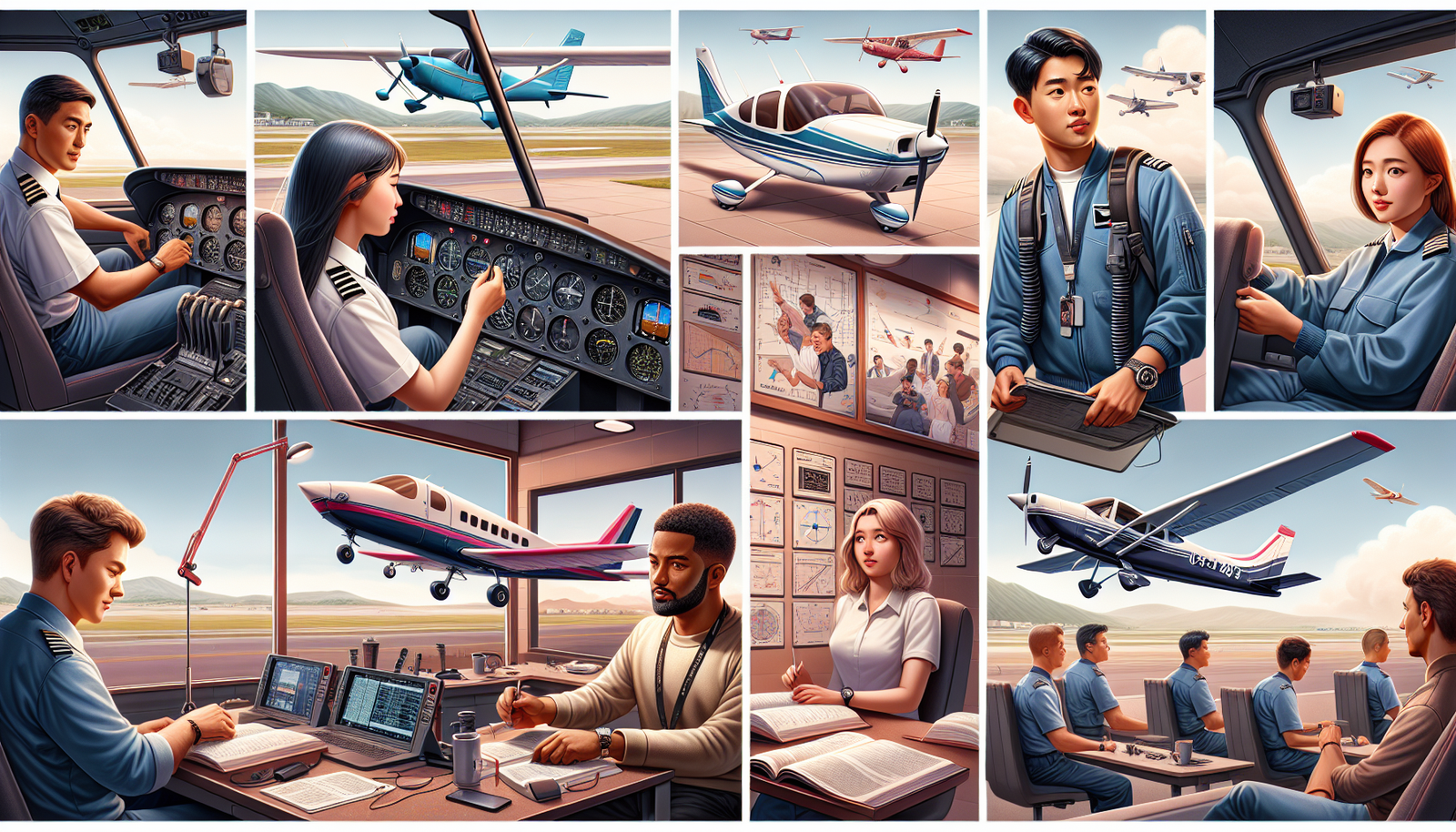
Aviation education and flight training are essential components for anyone aspiring to become a pilot. Whether you dream of flying for fun or pursuing a career in aviation, having the right training and education is crucial. In this ultimate guide, we will walk you through the various levels of pilot training and education, from sport pilot to commercial pilot.
Sport Pilot Training
Sport Pilot Training is the first step for many aspiring pilots. This level of training allows you to fly light-sport aircraft with certain limitations. Sport pilot training typically includes ground instruction, flight training, and a knowledge test.
Private Pilot Training
Private Pilot Training is the next level of training after obtaining a sport pilot certificate. With a private pilot certificate, you can fly larger and more complex aircraft. Private pilot training includes more in-depth ground instruction, flight training, and a practical test.
Commercial Pilot Training
Commercial Pilot Training is for those who wish to pursue a career as a pilot. This level of training is more advanced and includes more complex maneuvers and procedures. Commercial pilot training also includes instrument training for flying in adverse weather conditions.
Instrument Training
Instrument Training is crucial for all pilots, especially those pursuing a career in aviation. Instrument training teaches pilots how to fly solely by reference to the aircraft's instruments, without visual cues. This type of training is essential for flying in low visibility conditions.
Advanced and Instrument Ground Instruction
Advanced and Instrument Ground Instruction is an important aspect of aviation education and flight training. Ground instruction covers a wide range of topics, including aerodynamics, weather theory, navigation, and more. This knowledge is essential for passing written exams and becoming a proficient pilot.