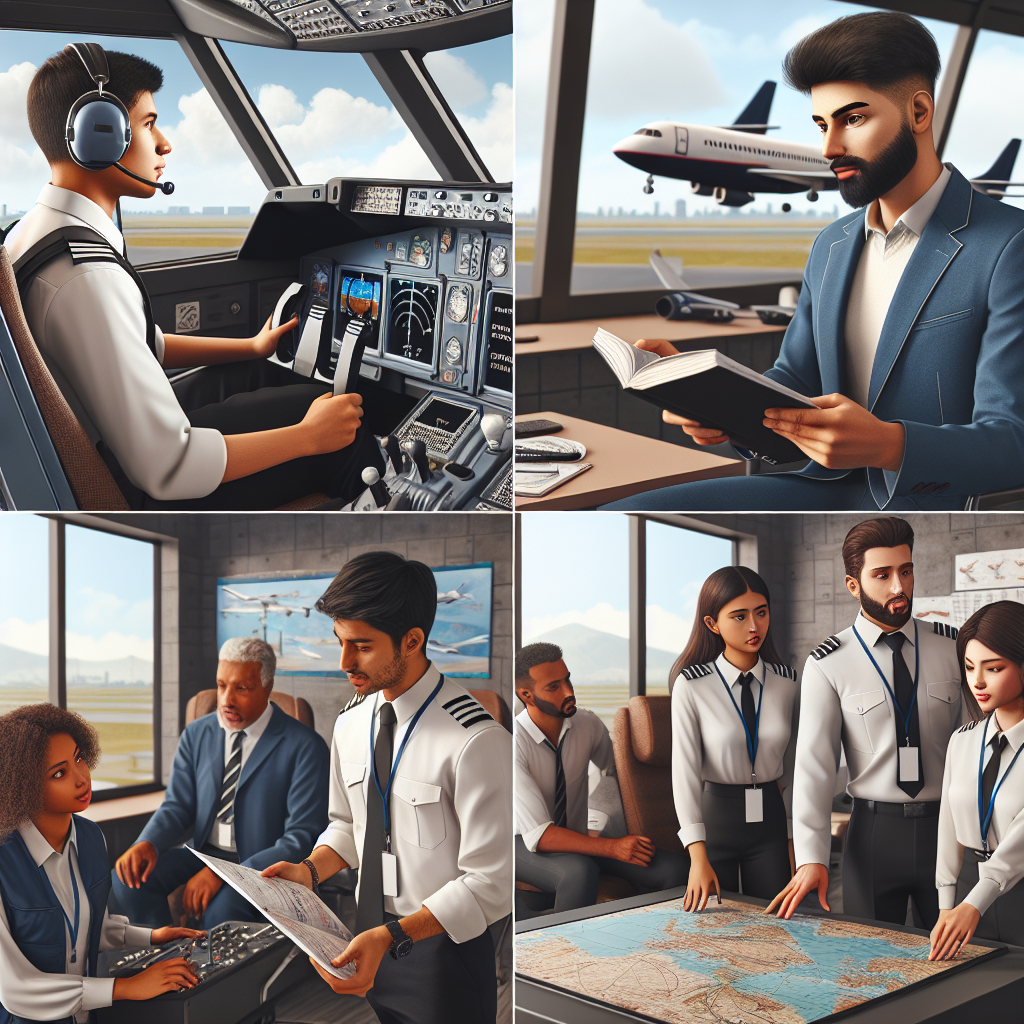
Understanding the Foundations of Aviation Education
Aviation education is the cornerstone for anyone aspiring to take to the skies. Whether you aim to become a recreational pilot or a commercial aviator, a solid educational foundation is essential. This education encompasses theoretical knowledge, practical skills, and safety protocols necessary for proficient flying.
Flight training programs are designed to provide a comprehensive learning experience, combining classroom instruction with hands-on flight hours. From understanding aerodynamics to mastering navigation systems, aviation education prepares students for the challenges of modern aviation.
Getting Started with Sport Pilot Training
Sport pilot training offers an accessible entry point into the world of aviation. Ideal for those seeking to fly light-sport aircraft, this training focuses on the basics of flying with fewer regulatory requirements than other pilot certifications.
During sport pilot training, students learn fundamental flight maneuvers, weather awareness, and airspace regulations. This pathway is perfect for hobbyists or individuals who want to enjoy flying with a minimal time and cost commitment.
Advancing Through Private Pilot Training
Private pilot training is the next step for those looking to expand their flying capabilities. It involves more rigorous instruction and flight hours compared to sport pilot training, allowing pilots to operate a wider range of aircraft and fly in more varied conditions.
This phase includes advanced flight maneuvers, cross-country navigation, and emergency procedures. Successful completion grants the pilot greater autonomy and the ability to carry passengers, making it a critical milestone in any aviation career.
Mastering Commercial Pilot Training
Commercial pilot training is essential for individuals intending to pursue aviation as a profession. This training elevates a pilot’s skill set to meet industry standards required for compensation and commercial operations.
The curriculum includes complex flight operations, advanced aerodynamics, and regulatory compliance. Pilots also receive training in multi-engine aircraft and gain experience in diverse weather conditions, preparing them for the demands of commercial aviation.
Enhancing Skills with Instrument Training
Instrument training is a vital component of comprehensive flight training. It equips pilots with the ability to operate aircraft solely by reference to instruments, a skill necessary for flying in low visibility or adverse weather conditions.
This training covers the use of navigation aids, instrument approach procedures, and cockpit resource management. Mastery of these skills enhances safety and expands the operational capabilities of any pilot.
The Importance of Advanced and Instrument Ground Instruction
Ground instruction forms the backbone of successful flight training. Advanced and instrument ground instruction provide pilots with the theoretical knowledge required to excel in both practical and written examinations.
Topics include meteorology, aviation regulations, flight planning, and human factors. Ground instruction complements flight training by ensuring pilots are well-prepared and confident in their decision-making abilities.
Conclusion: Charting Your Course in Aviation
From sport pilot training to commercial pilot certification and instrument mastery, aviation education offers a structured path to success in the skies. Each stage builds upon the last, combining flight training with essential ground instruction to develop skilled, knowledgeable pilots.
By committing to comprehensive training and continuous learning, aspiring aviators can confidently navigate their journey—soaring toward a rewarding and fulfilling career in aviation.