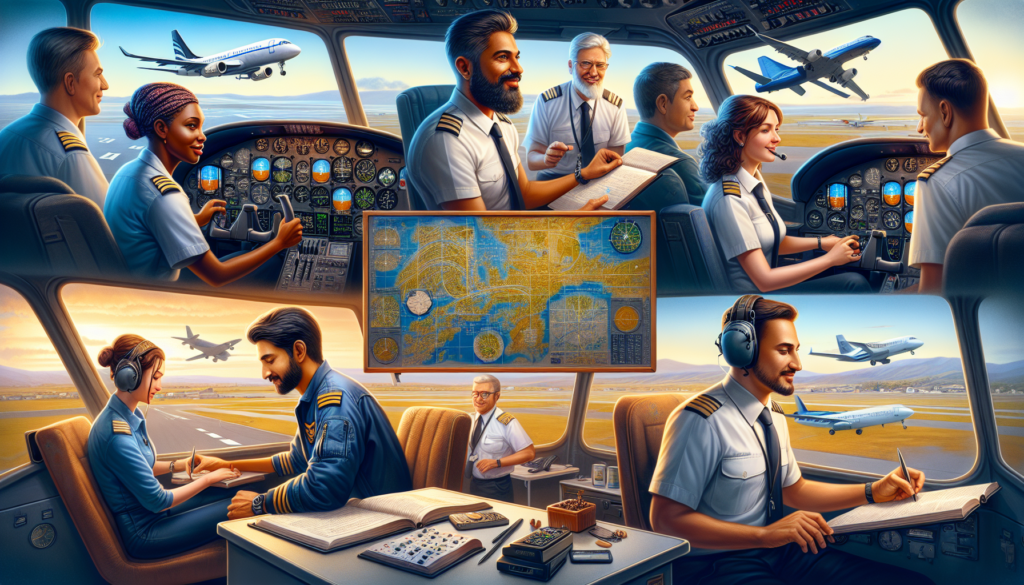
Understanding Aviation Education
Aviation education is the cornerstone of a successful career in the skies. It encompasses comprehensive learning experiences that prepare aspiring pilots for the multifaceted challenges of flight. From theoretical knowledge to hands-on flight training, aviation education ensures safety, proficiency, and confidence in every pilot.
Whether you are starting with sport pilot training or aiming for a commercial pilot license, a structured educational pathway is essential. This foundation equips students with core principles of aerodynamics, meteorology, navigation, and aviation regulations.
Flight Training: Building Your Skills From the Ground Up
Flight training is the practical component where aspiring pilots translate classroom knowledge into real-world flying experience. It involves dual instruction with certified flight instructors and solo flights to develop competence and decision-making skills.
Sport Pilot Training
Sport pilot training is an excellent entry point for those interested in recreational flying. It requires fewer hours than traditional licenses, making it more accessible and cost-effective. Trainees learn fundamental maneuvers and basic navigation techniques suitable for light-sport aircraft.
Private Pilot Training
Private pilot training is the next step for individuals seeking more freedom and capability in their flying. This training demands a higher number of flight hours and advanced knowledge in areas such as cross-country flying and emergency procedures. Upon completion, pilots can fly larger aircraft and carry passengers.
Commercial Pilot Training
Commercial pilot training prepares students for professional aviation careers. It involves intensive flight hours, advanced maneuvers, and a deep understanding of aviation regulations. Graduates of commercial pilot training are qualified to be compensated for their piloting services in various sectors, including airlines and charter operations.
Instrument Training: Mastering the Skies in All Conditions
Instrument training is critical for pilots who wish to fly confidently in low visibility or adverse weather conditions. This specialized training focuses on the use of cockpit instruments to navigate and control the aircraft without outside visual references.
Advanced and Instrument Ground Instruction
Before taking to the skies for instrument training, pilots undergo advanced and instrument ground instruction. This phase covers the theory behind instrument flight rules (IFR), including interpreting flight instruments, understanding IFR charts, and learning communication protocols with air traffic control. Ground instruction ensures pilots have the necessary knowledge base to safely conduct instrument flight operations.
Choosing the Right Path for Your Aviation Journey
Your aviation education and flight training pathway should align with your personal goals and career aspirations. Starting with sport pilot training offers an accessible introduction, while private and commercial pilot training open doors to broader flying privileges and professional opportunities.
Incorporating instrument training and advanced ground instruction enhances your skill set, making you a more versatile and capable pilot. Whether flying for leisure or pursuing a career in commercial aviation, a structured and comprehensive training program is essential to soaring higher and achieving your dreams.