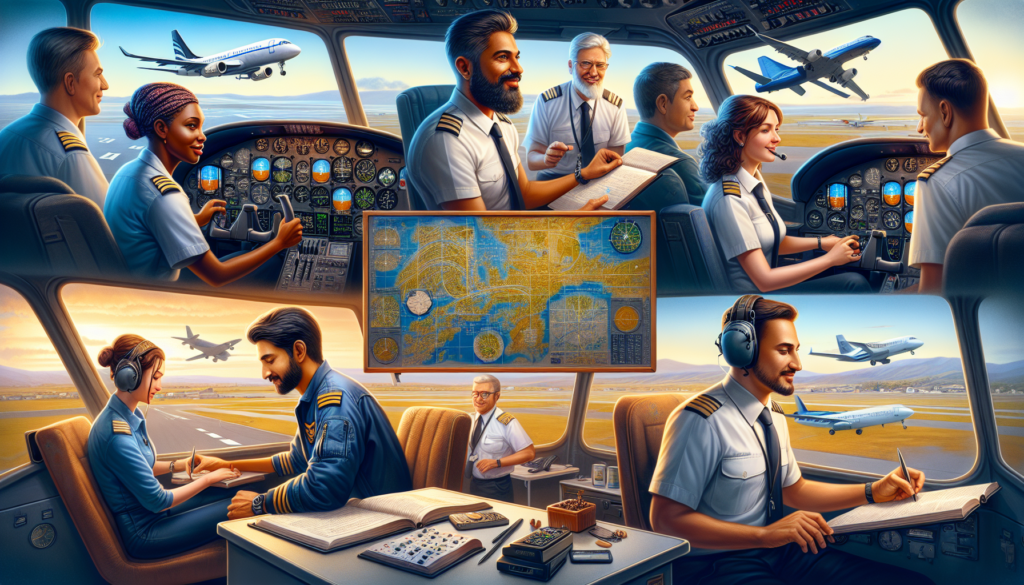
Understanding Aviation Education
Aviation education is the foundation for anyone aspiring to become a skilled pilot. It encompasses a broad range of knowledge areas, including aerodynamics, meteorology, navigation, and safety regulations. Whether you’re starting with sport pilot training or aiming for a commercial pilot career, a solid educational background is essential.
Comprehensive aviation education programs combine classroom learning with practical flight training to ensure students are well-prepared for the challenges of flying. This dual approach allows aspiring pilots to grasp theoretical concepts while applying them in real-world scenarios.
Beginning with Sport Pilot Training
Sport pilot training is an excellent starting point for individuals new to aviation or those who want to fly recreationally. It offers a streamlined path with fewer requirements compared to private or commercial pilot training, making it more accessible.
During sport pilot training, students learn the basics of aircraft operation, flight maneuvers, and safety procedures. This level of training emphasizes practical skills and prepares pilots to operate light-sport aircraft under specific regulations.
Advancing to Private Pilot Training
Private pilot training represents the next step for pilots who wish to expand their flying capabilities and increase their privileges. This training involves more in-depth flight training and advanced ground instruction, covering topics like navigation, communication, and emergency procedures.
Students receive personalized flight training and advanced and instrument ground instruction to develop proficiency in various flying conditions. Upon completion, private pilots can fly a wider variety of aircraft and carry passengers.
Mastering Commercial Pilot Training
Commercial pilot training is designed for those pursuing a professional career in aviation. It requires rigorous flight training, including complex aircraft operations and adherence to strict regulatory standards.
This training includes advanced flight maneuvers, instrument training, and comprehensive ground school to prepare pilots for the demands of commercial aviation. Graduates are qualified to operate as paid pilots, including in airline and charter services.
The Importance of Instrument Training
Instrument training is a critical component across all levels of pilot education. It equips pilots with the skills needed to navigate and operate aircraft safely in low-visibility conditions using flight instruments alone.
Advanced and instrument ground instruction supports this training by providing theoretical knowledge on instrument flight rules (IFR), avionics, and weather interpretation. Mastery of instrument flying significantly enhances a pilot’s safety and versatility.
Choosing the Right Flight Training Program
Selecting the right flight training program depends on your aviation goals, schedule, and budget. Look for accredited schools that offer comprehensive courses covering sport pilot training, private pilot training, commercial pilot training, and instrument training.
Quality programs emphasize a balance between flight hours and ground instruction, ensuring students receive well-rounded aviation education. Additionally, experienced instructors and modern equipment contribute to a successful training experience.
Conclusion
Embarking on a journey through aviation education and pilot training opens the door to exciting opportunities in the skies. From sport pilot training to advanced commercial pilot certification, each stage builds upon the last, enhancing your skills and knowledge.
With dedication and the right training program, you can soar to new heights and achieve your dreams in the dynamic world of aviation.