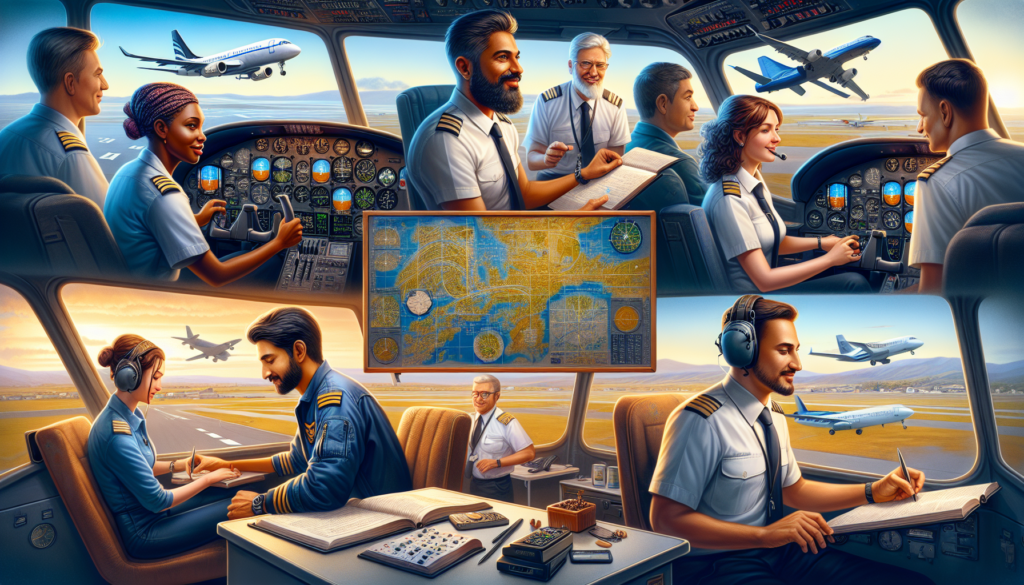
Understanding Aviation Education
Aviation education forms the foundation for anyone aspiring to soar the skies professionally. It encompasses a broad spectrum of learning opportunities that range from theoretical knowledge to practical skills necessary for safe and efficient flight operations. Whether you are a beginner or an experienced pilot seeking advancement, a solid aviation education is critical to achieving your goals.
Programs in aviation education typically cover subjects such as aerodynamics, meteorology, navigation, aircraft systems, and aviation regulations. These core topics prepare students to understand the complexities of flying and ensure compliance with industry standards.
Flight Training: The Path to Becoming a Pilot
Flight training is the practical aspect of aviation education where students learn to operate aircraft under the guidance of certified instructors. This hands-on experience is essential for developing the skills and confidence needed to handle different flight scenarios safely.
Sport Pilot Training
Sport pilot training is designed for individuals interested in flying light-sport aircraft. This training offers a more accessible entry point into aviation with fewer certification requirements compared to other pilot licenses. It emphasizes basic flight skills, safety, and regulatory knowledge specific to sport aviation.
Private Pilot Training
Private pilot training is a comprehensive program that prepares students to fly single-engine aircraft independently. This certification is often the first step for those pursuing a career in aviation or recreational flying. The training includes mastering takeoffs, landings, navigation, and emergency procedures.
Commercial Pilot Training
Commercial pilot training takes aviation education to the next level, enabling pilots to operate aircraft for compensation or hire. This advanced training focuses on complex flight operations, including multi-engine aircraft, night flying, and commercial regulations, preparing pilots for professional careers in the aviation industry.
Instrument Training
Instrument training is crucial for pilots who want to fly under instrument flight rules (IFR), allowing them to navigate safely in low-visibility conditions. This specialized training teaches the use of flight instruments and avionics to maintain control and situational awareness without external visual references.
Advanced and Instrument Ground Instruction
Advanced and instrument ground instruction complements flight training by providing in-depth theoretical knowledge needed for instrument and commercial pilot certification. This instruction covers topics such as advanced navigation, weather interpretation, flight planning, and aviation regulations, ensuring pilots are well-prepared for complex flight environments.