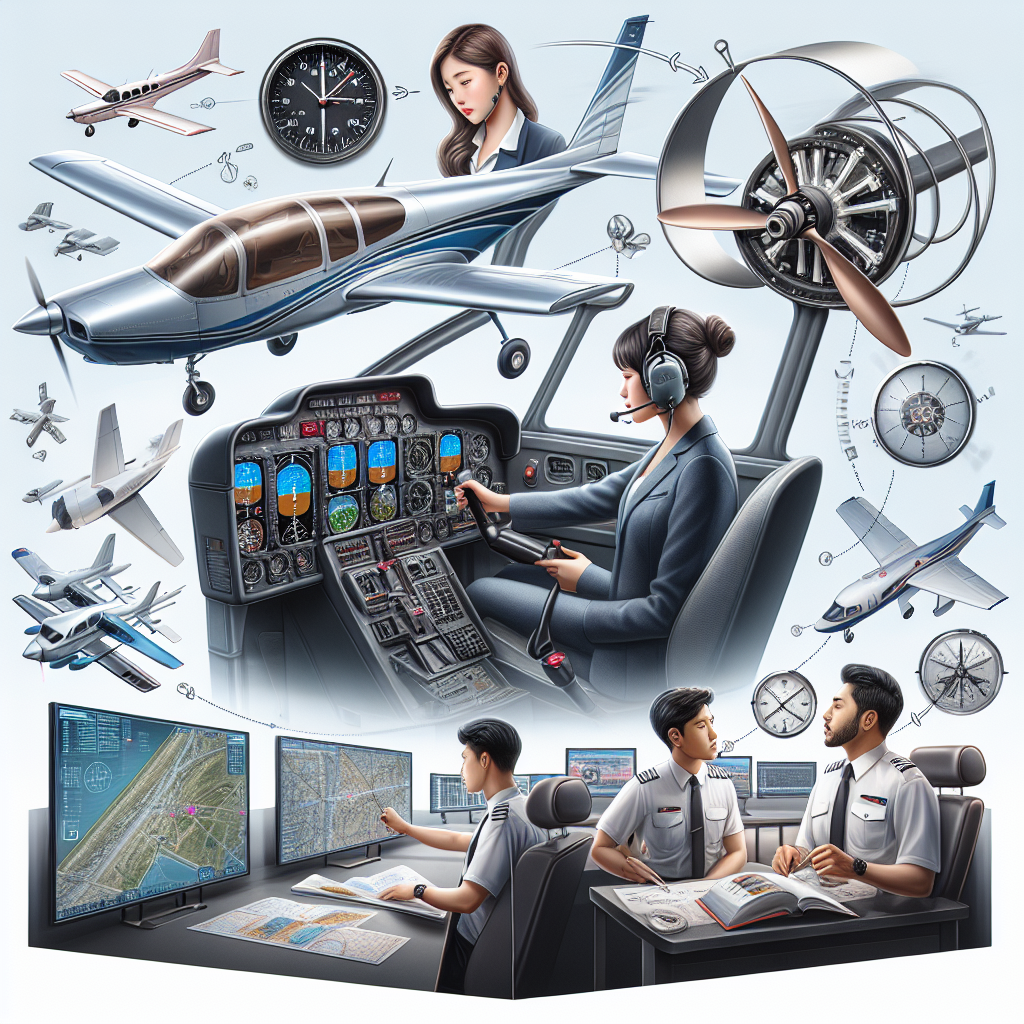
Understanding the Foundations of Aviation Education
Aviation education is the cornerstone for anyone aspiring to build a successful career in the skies. Whether you’re interested in recreational flying or aiming for a professional pilot career, a structured educational path is essential. This education encompasses both theoretical knowledge and practical skills, ensuring that pilots are well-prepared for the challenges of flight.
From understanding aerodynamics to mastering aviation regulations, aviation education lays the groundwork necessary for effective flight training. Aspiring pilots benefit from comprehensive curricula that cover flight principles, meteorology, navigation, and aircraft systems, providing a solid base before taking control of an aircraft.
Exploring Flight Training Levels: From Sport to Commercial
Sport Pilot Training: Your First Step into Aviation
Sport pilot training is an excellent entry point for individuals who want to experience flying with fewer requirements than traditional pilot certifications. This level focuses on small, light-sport aircraft and provides a flexible training schedule while emphasizing safety and foundational piloting skills.
This training introduces students to basic flight maneuvers, airspace rules, and emergency procedures, making it an accessible and affordable option for many aviation enthusiasts.
Private Pilot Training: Building Competence and Confidence
Private pilot training is designed to develop a well-rounded aviator capable of flying larger aircraft and navigating more complex flight scenarios. This stage involves more rigorous flight hours, advanced maneuvers, and deeper knowledge of aviation regulations and weather patterns.
Achieving a private pilot certificate opens up greater flying opportunities, such as cross-country trips and carrying passengers, marking a significant milestone on your aviation journey.
Commercial Pilot Training: Preparing for a Professional Career
Commercial pilot training is the gateway to a professional career in aviation. This training equips pilots with the skills to operate aircraft for compensation or hire, emphasizing precision, professionalism, and advanced flight techniques.
The curriculum includes complex flight operations, high-performance aircraft handling, and compliance with stringent regulatory standards, preparing pilots for roles in airlines, charter services, and cargo transport.
Enhancing Skills with Instrument Training and Advanced Ground Instruction
Instrument Training: Mastering Flight in All Conditions
Instrument training is critical for pilots who wish to fly safely in low visibility or adverse weather conditions. This training teaches the use of cockpit instruments to navigate and control the aircraft without relying on visual cues.
Mastery of instrument flight rules (IFR) increases a pilot’s versatility and marketability, enabling operations in a wider range of environments and enhancing overall flight safety.
Advanced and Instrument Ground Instruction: Theoretical Excellence
Complementing practical flight lessons, advanced and instrument ground instruction provides essential classroom-based education. This includes in-depth studies of navigation systems, flight planning, meteorology, and FAA regulations.
Such instruction ensures pilots not only fly proficiently but also understand the underlying principles and procedures critical to successful and safe aviation operations.
Conclusion: Charting Your Course to Aviation Success
Embarking on the path of aviation education and flight training demands dedication, discipline, and a passion for flying. From sport pilot training to commercial pilot certification, each stage builds upon the