Introduction
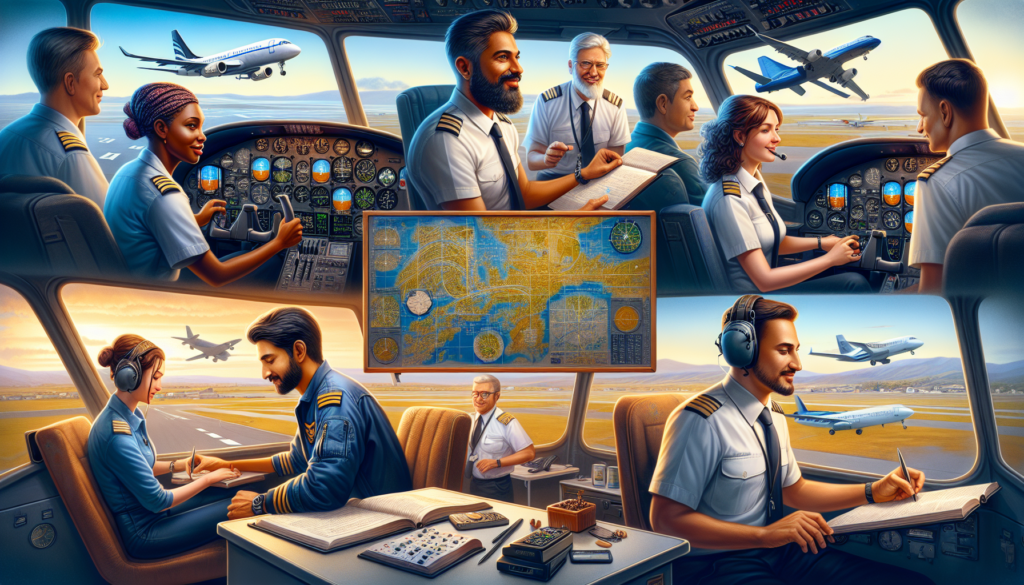
Aviation education and pilot training are essential steps in becoming a skilled and knowledgeable pilot. Whether you are just starting out as a novice or aiming to advance your career as an expert pilot, proper education and training are crucial for success in the aviation industry.
Flight Training
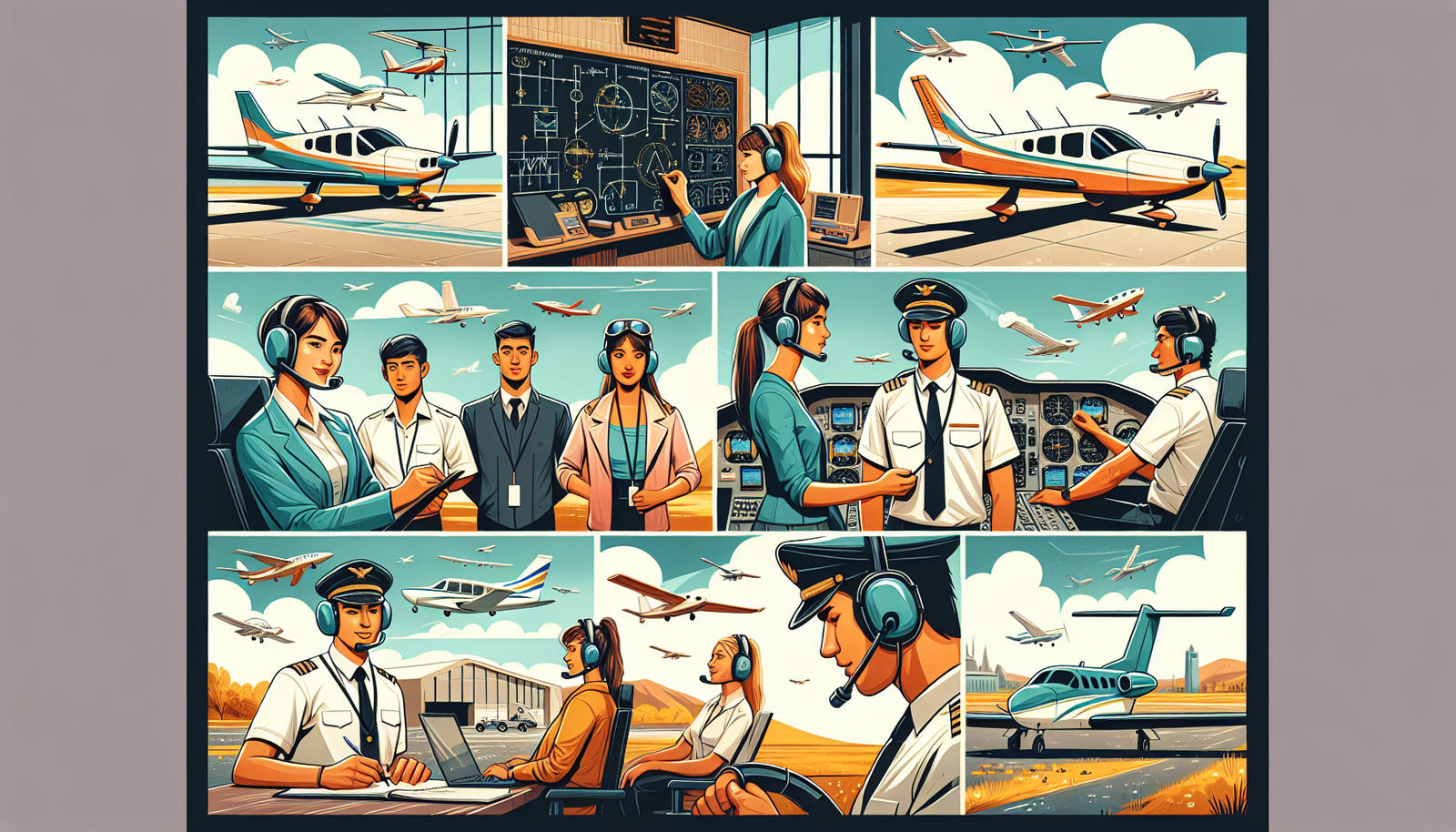
Flight training is a key component of aviation education, offering hands-on experience in the cockpit. There are various levels of flight training available, each catering to different skill levels and goals.
Sport Pilot Training
Sport pilot training is the entry-level certification for those looking to fly for recreation or leisure. This training focuses on basic flight maneuvers and safety procedures, providing a solid foundation for future pilot training.
Private Pilot Training
Private pilot training is the next step up from sport pilot training, allowing pilots to fly more complex aircraft and travel longer distances. This training covers advanced flight techniques and navigation skills, preparing pilots for more challenging flying conditions.
Commercial Pilot Training
Commercial pilot training is for pilots looking to fly professionally, whether as a flight instructor, charter pilot, or airline pilot. This training involves advanced flight maneuvers, emergency procedures, and commercial flight regulations.
Instrument Training
Instrument training is essential for pilots looking to fly in low visibility or adverse weather conditions. This training focuses on using cockpit instruments to navigate and fly safely without visual reference to the ground.
Advanced and Instrument Ground Instruction
Ground instruction is an important aspect of pilot training, providing pilots with theoretical knowledge and understanding of aviation principles. Advanced and instrument ground instruction covers topics such as aerodynamics, weather patterns, navigation systems, and aviation regulations.
By combining aviation education with practical flight training, pilots can progress from novice to expert, mastering the skills and knowledge needed to navigate the skies safely and confidently. Whether you are pursuing a career in aviation or flying for leisure, investing in quality education and training is essential for success in the dynamic world of aviation.