Introduction
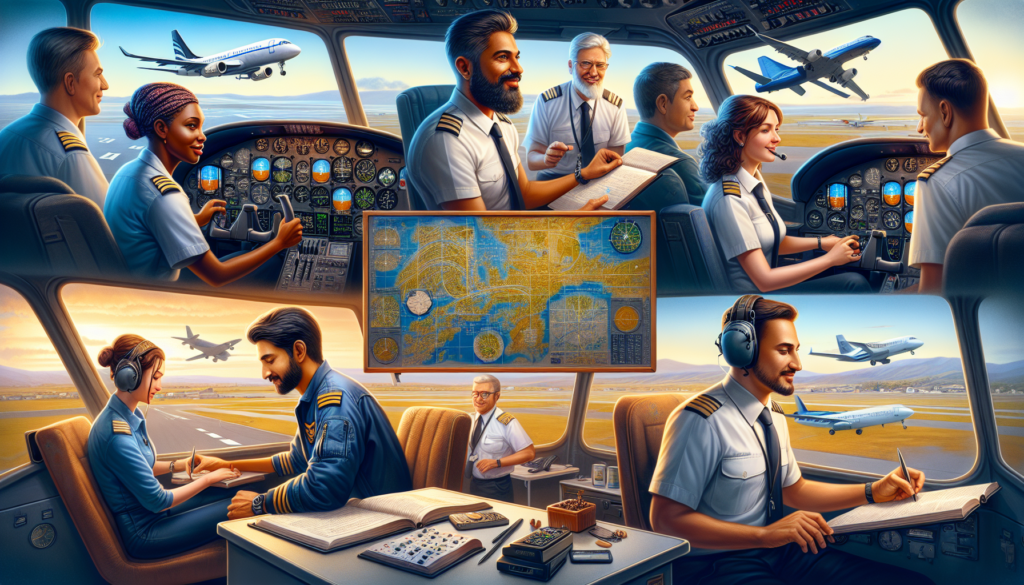
Aviation is a thrilling and rewarding field that offers a wide range of opportunities for those who are passionate about flying. Whether you dream of becoming a recreational pilot, a commercial pilot, or even a flight instructor, getting the right education and training is essential to achieving your goals.
Aviation Education
Before you can take to the skies, you must first lay a solid foundation of knowledge through aviation education. This includes learning about aerodynamics, aircraft systems, navigation, meteorology, and regulations.
Flight Training
Flight training is the practical aspect of becoming a pilot. This includes hands-on experience flying an aircraft under the guidance of a certified flight instructor. There are several levels of flight training available depending on your goals:
Sport Pilot Training
Sport pilot training is a great entry point for those who want to fly light-sport aircraft for recreational purposes. This training typically involves a minimum of 20 hours of flight time and is less expensive than other pilot training options.
Private Pilot Training
Private pilot training is the next step up and allows you to fly more complex aircraft and carry passengers. This training requires a minimum of 40 hours of flight time, including solo flights and cross-country flying.
Commercial Pilot Training
Commercial pilot training is for those who want to fly for a living. This training is more rigorous and requires a minimum of 250 hours of flight time, as well as passing a written and practical exam.
Instrument Training
Instrument training is essential for flying in low visibility conditions and relies on instrument readings rather than visual cues. This training is required for commercial pilots and can also benefit private pilots looking to enhance their skills.
Advanced and Instrument Ground Instruction
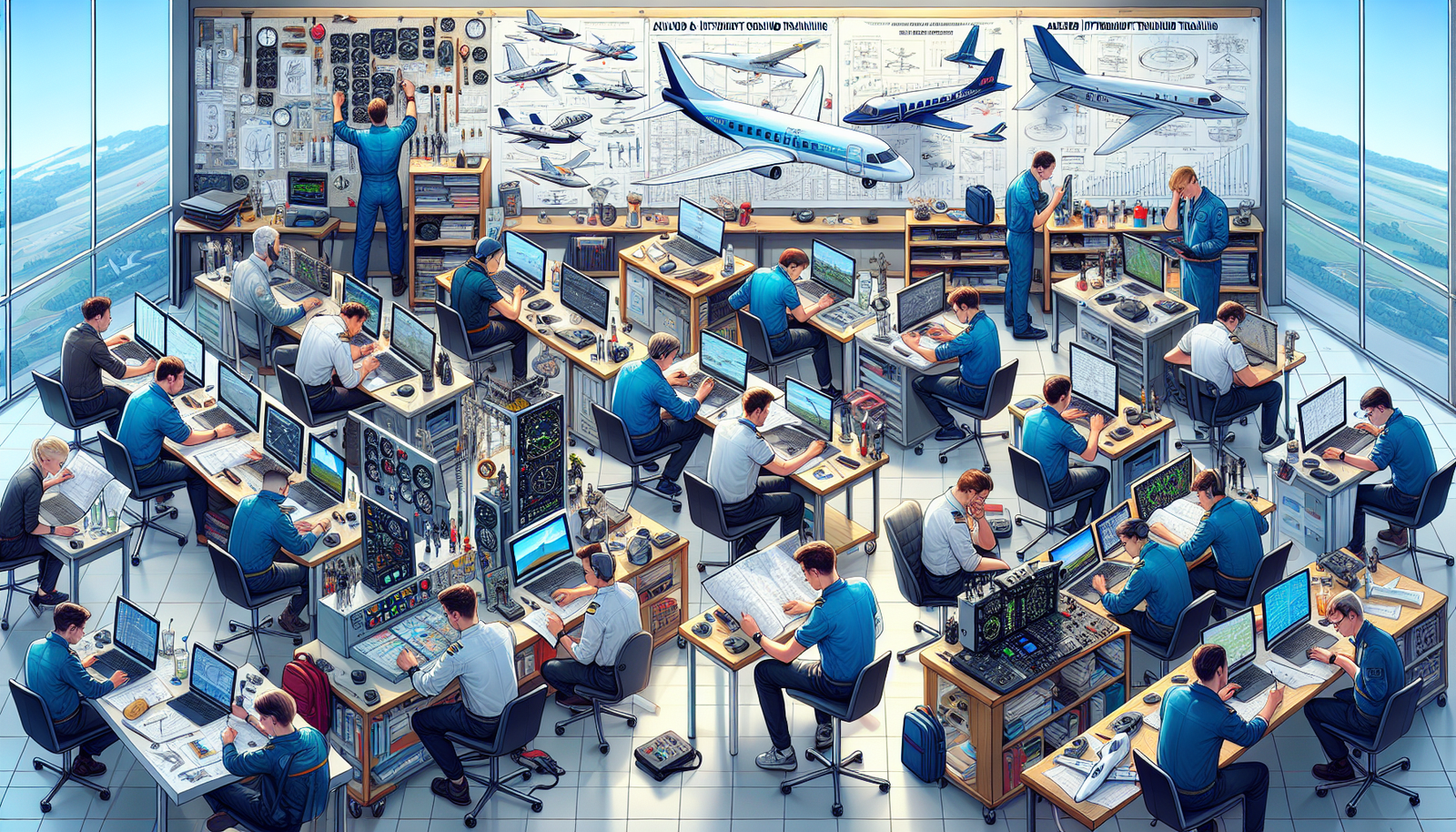
Ground instruction is an important component of pilot training and covers topics such as navigation, weather, regulations, and aircraft systems. Advanced and instrument ground instruction provides in-depth knowledge to help pilots make informed decisions while flying.